Hey there! Can we chat about something close to my heart? March is Developmental Disability Awareness Month, and I’m so excited to share some love, understanding, and resources with you all! 🌟
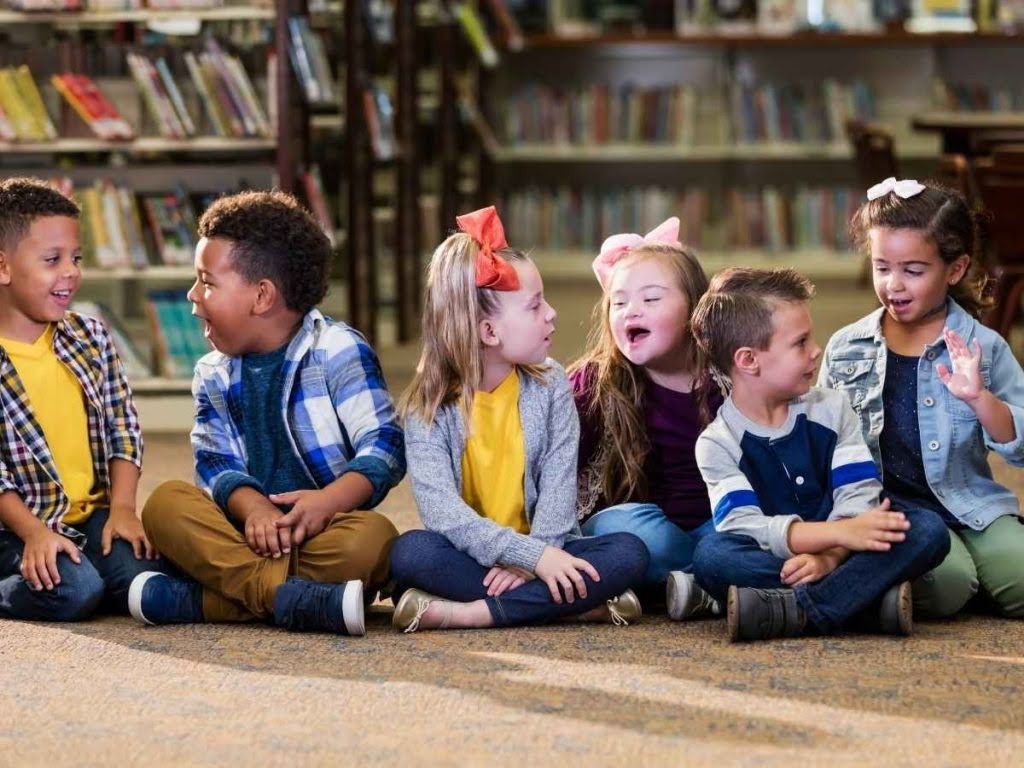
You know what makes my heart absolutely sing? Seeing our community embrace and celebrate ALL abilities. Every single person has their own unique way of experiencing the world, and that’s what makes life beautiful and rich with perspective. While adults have a long way to go in acceptance and understanding, inclusion starts when we are young, and develops based on the conversations and experiences we are exposed to.
What Are Developmental Disabilities?
Let’s break this down in the simplest way possible – developmental disabilities are differences in how people learn, move, or interact with the world around them. We also have to have honest conversations about developmental disabilities so that we can be allies and better serve others. While every person has unique strengths, developmental disabilities can create very real challenges in daily life. This might mean facing barriers in accessing public spaces, building friendships, participating in activities others take for granted, or being included in community events.
These differences can affect many aspects of life:
- Learning new skills might take more time or require different approaches
- Communication might be challenging or take different forms
- Physical activities and daily tasks might require additional support or adaptations
- Sensory differences might make certain environments overwhelming or inaccessible
- Social connections might be harder to form and maintain
- Access to education, employment, and community activities often requires advocacy and accommodation
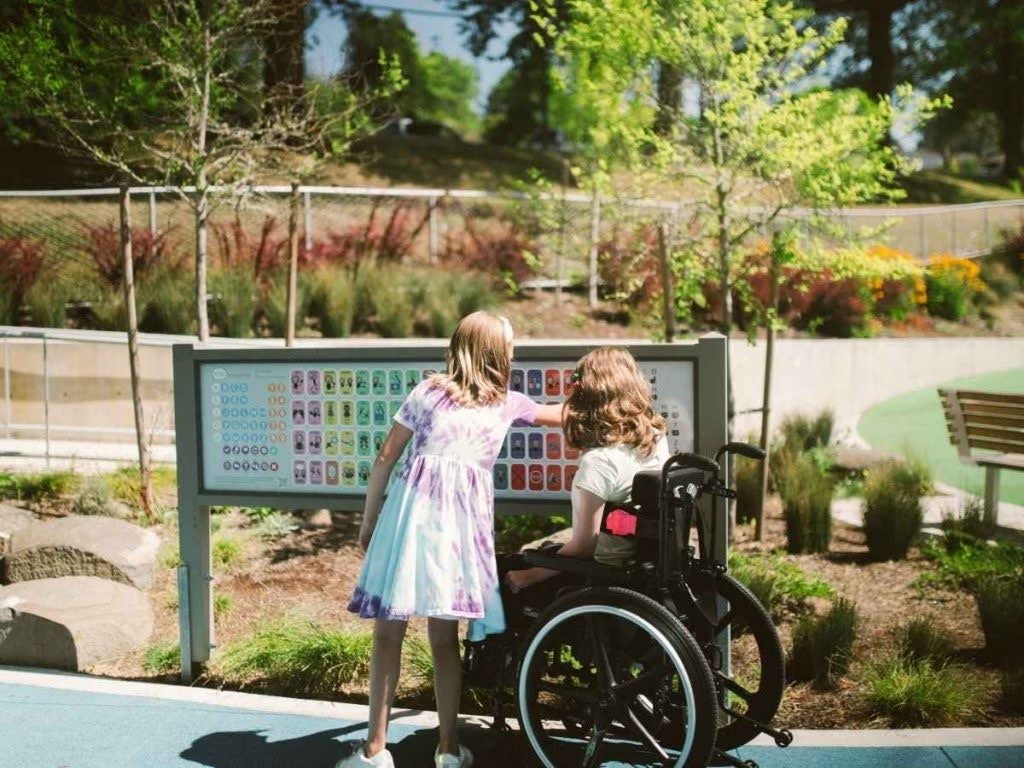
Developmental disabilities may affect physical, learning, language, or behavioral development. They typically begin in childhood and can impact daily functioning throughout life. Here’s a list of some common developmental disabilities:
Neurodevelopmental Disorders
Autism Spectrum Disorder (ASD) – Affects communication, social interaction, and behavior.
Intellectual Disability (ID) – Characterized by limitations in intellectual functioning and adaptive behaviors.
Attention–Deficit/Hyperactivity Disorder (ADHD) – Impacts focus, impulse control, and activity levels.
Specific Learning Disabilities (SLD) – Includes dyslexia (reading), dyscalculia (math), and dysgraphia (writing).
Communication Disorders – Includes speech delays, language disorders, and stuttering.
Genetic & Chromosomal Disorders
Down Syndrome – Caused by an extra chromosome 21, leading to intellectual disability and physical differences.
Fragile X Syndrome – A genetic condition that causes intellectual disability and social/behavioral challenges.
Rett Syndrome – A rare genetic disorder that affects motor and cognitive abilities, primarily in girls.
Williams Syndrome – A genetic condition that causes mild to moderate intellectual disability and unique personality traits.
Prader–Willi Syndrome – Causes intellectual disability, behavioral issues, and an insatiable appetite.
Motor & Physical Disabilities with Developmental Impact
Cerebral Palsy (CP) – Affects movement, muscle tone, and posture due to brain injury before or during birth.
Spina Bifida – A birth defect affecting spinal cord development, sometimes impacting mobility and learning.
Muscular Dystrophy – A group of disorders that lead to muscle weakness and loss of mobility over time.
Sensory–Related Disorders
Sensory Processing Disorder (SPD) – Affects how the brain interprets sensory input, leading to hypersensitivity or hyposensitivity.
Hearing Loss & Deafness – Can impact speech and language development if not addressed early.
Visual Impairments & Blindness – May require accommodations for learning and daily activities.
Why Developmental Disability Awareness Month Matters (It Really Matters!)
Here’s the thing – awareness isn’t just about knowing these differences exist or celebrating diversity. It’s about understanding the very real barriers that people with developmental disabilities face every day – from inaccessible buildings and transportation to limited employment opportunities, inadequate support services, and social isolation. It’s about recognizing that inclusion requires concrete action and systemic change.
We need:
- Physical spaces that are truly accessible (and with dignity), not just technically compliant
- Education systems that provide appropriate support and accommodations
- Healthcare providers who understand developmental disabilities and listen to their patients
- Employment opportunities with real accommodations and fair wages
- Housing options that support independent living
- Community programs that don’t just allow participation but actively enable it
- Public transportation that works for everyone
- Social spaces where people with disabilities aren’t just present but fully included
How You Can Make a Difference
If you’re on this page, there’s a good chance you already are making a positive impact. For those visiting, here are some heart–centered ways to get involved:
1. Educate Yourself and Others
Listen to stories from individuals with developmental disabilities and their families. Their experiences are the best teachers! Every child and family is unique.
2. Support Inclusive Spaces
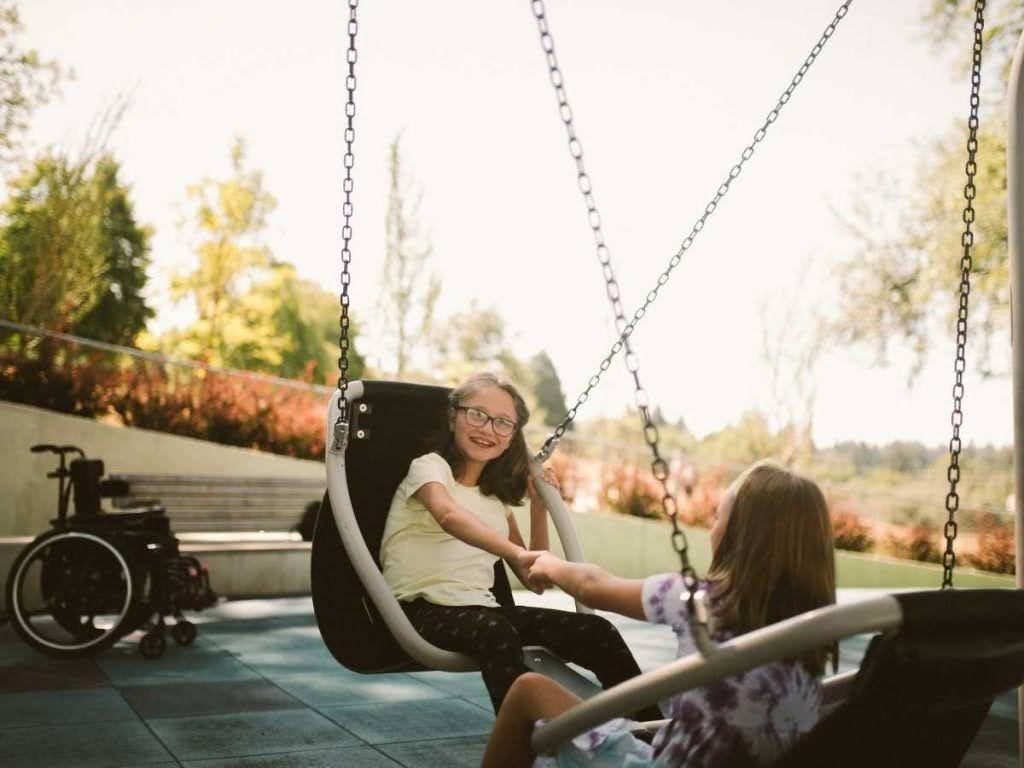
Whether it’s your local playground, school, or community center, advocate for spaces that welcome everyone. Be intentional and really examine the needs of those you’re serving.
3. Connect with Organizations
There are amazing organizations doing incredible work in this space. Consider supporting them through volunteering, donations, or simply spreading their message.
The Arc of New Jersey (advocating for people with intellectual and developmental disabilities)
Special Olympics New Jersey (promoting inclusion through sports)
Autistic Self Advocacy Network (run by and for autistic people)
Division of Developmental Disabilities Self–Advocacy (The Division has its own self advocacy group called the New Jersey Division of Developmental Disabilities Self–Advocacy Advisory Committee (SAAC). Click the link for the peer–to–peer networking session schedule.)
National Down Syndrome Society (The organization’s work is achieved through three key areas of programming: Resources & Support, Advocacy & Policy, and Community Engagement)
New Jersey – Best Buddies International (local chapters creating opportunities for friendships and employment)
Cerebral Palsy Guide (an organization dedicated to providing support for those affected by cerebral palsy, birth injuries, or other developmental disabilities)
PerformCare NJ (Intellectual and Developmental Disability Resources for Families
Limitless Adaptive Fitness and Life Flow Program (making fitness accessible and fun!)
Blue Dot Community (Social & Community Wellness)
We Rock the Spectrum – Monmouth County (a kids’ gym, for ALL kids)
Next Steps Adult Day Program (focusing on adults independent functioning in self–care, physical and emotional growth, socialization, communication, and vocational skills)
Friends in Motion, LLC (dance classes!)
Circle of Strength (a full service agency, also offering education on state services)
Fun Factory Sensory Gym (they can assist with home sensory gyms in small spaces)
Let’s Keep This Conversation Going!
Awareness months are amazing, but let’s be real – the conversation around developmental disabilities deserves our attention all year round. Every connection, every milestone, every unique way of being deserves to be celebrated. Because at the end of the day, we’re all together floating on a giant rock in space 💕
What steps will you take to celebrate and support developmental disability awareness this month? Drop a comment below – I’d love to hear your thoughts and ideas!
XO
Kelsey